
Safelist mailers show up in a lot of online marketing circles, but there’s still plenty of bad info floating around about how they work, how effective they are, and whether they’re even worth messing with. I’ve tried these tools for a while, and spot a lot of confusion, especially for anyone trying them for the first time. I’m about to clear up some of the most common myths about safelist mailers and give you the real scoop on what to expect.
Understanding Safelist Mailers: What They Really Are
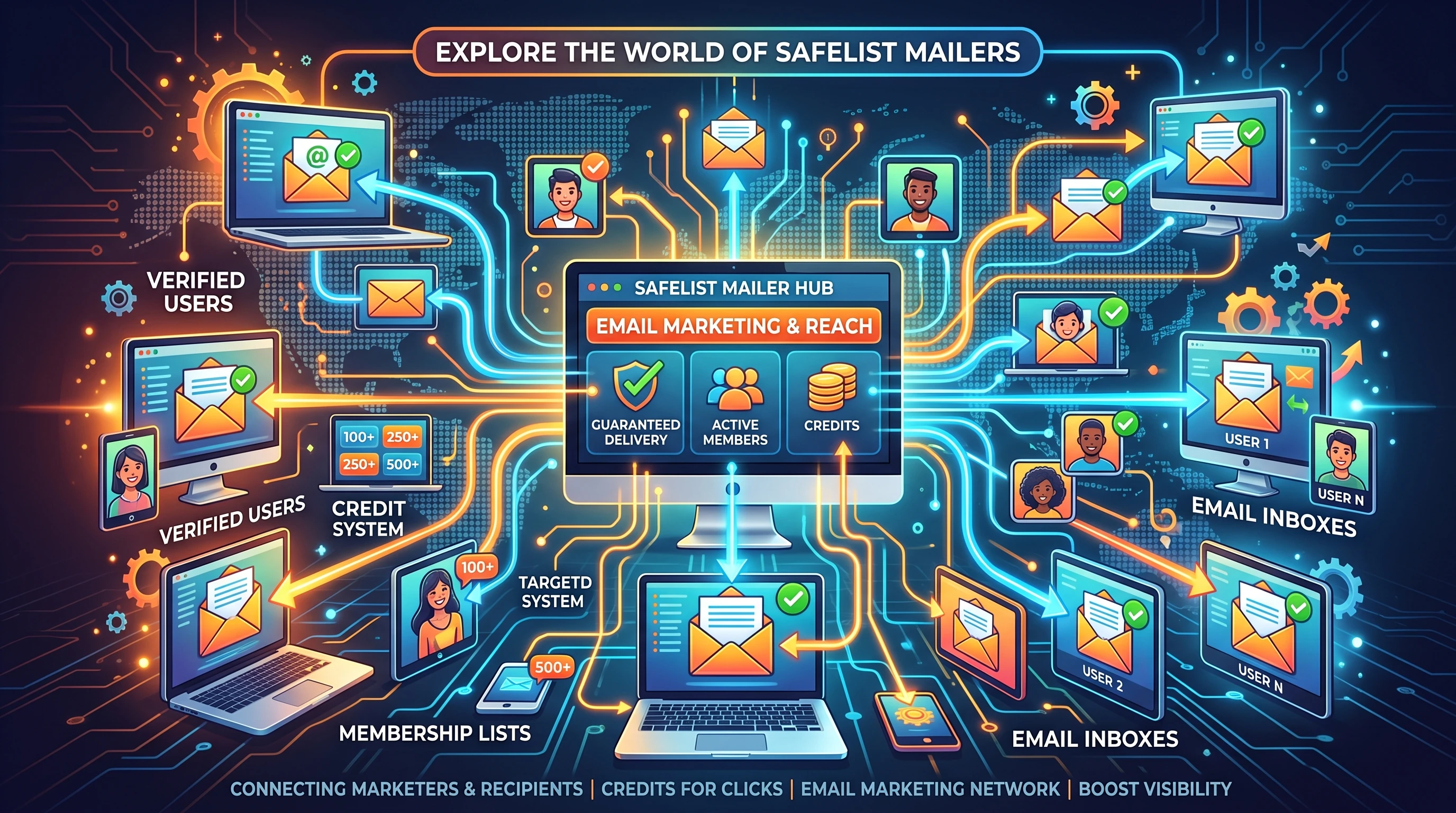
Safelist mailers, at their core, are email-based advertising platforms where members agree to receive messages from other members in exchange for being able to send their own promotional emails to the group. This means everyone on the list has opted in, knowing exactly what’s coming their way. These platforms are mainly used by people hoping to drive traffic to websites, affiliate offers, or mailing lists.
While they might sound old school, safelist mailers continue to hang around because they’re easy to use, often free (at least the basic features), and let people connect with others looking for similar marketing opportunities. But a lot of the info out there paints a pretty one-sided, or just plain wrong, view of what these tools actually do. There’s more nuance to how they work than most people realize, especially when you take a closer look at their features.
Myth #1: Safelist Mailers Are the Fast Track to Big Earnings
I see this one a lot: people claim that blasting out an email to a bunch of safelists is enough to build a massive downline or rack up sales overnight. But honestly, while you can get clicks and sometimes leads, these aren’t magic traffic machines. Recipients are usually fellow marketers who are also trying to promote their stuff, not hot prospects dying to buy your offer.
Successful users treat safelist mailers as one small piece of a bigger strategy. They tend to combine them with solo ads, organic search, and social media to mix in some variety with where their traffic comes from. Expecting massive payouts from safelists alone only leads to frustration. If you’re using them, keep your expectations realistic and focus on building relationships or growing an email list, not just making instant sales. When used as part of a broader marketing approach, safelists can help you reach a different slice of the online world—just don’t bet the farm on them.
Myth #2: Nobody Reads Safelist Mail
There’s some truth to the fact that safelist mailboxes get crowded. But saying nobody reads them isn’t accurate. Some people really do check these mails, often because they’re looking for deals, bonuses, or new marketing methods. Others are just clicking to earn credits so they can send their own emails.
Your message mostly gets noticed if it stands out. Short, benefit-driven subject lines, personal touches, and clear calls to action get better results than generic ads. If you’re creative with your headlines and try to offer genuine value (like a quick tip or a free tool), you’ll get more clicks and opens. Visual cues, such as emojis or clever formatting in subject lines, can help your emails get picked out of crowded inboxes as well.
Myth #3: Safelists Are Just for Promoting Scams
This idea puts off a lot of beginners. While it’s true that spammy programs and sketchy offers show up on some safelists, that doesn’t mean the whole concept is shady. Lots of people use these platforms to share legitimate affiliate programs, tools, or even helpful resources in online business communities.
Just because someone uses a safelist to promote an offer doesn’t mean it’s a scam. The real issue is with the programs themselves, not the advertising channel. If you’re using safelists, being selective about what you promote protects your reputation and gets you better results long term. Picking well-respected offers makes things run smoother for everyone.
How Safelist Mailers Actually Work: A Quick Guide
Getting a good sense of how safelists operate clears up some confusion. Here are the basics:
- Free vs. Paid Memberships: Most safelist mailers have a free tier that limits how many people you can mail. Paid upgrades usually let you reach more members or send more frequently.
- Credit Based Mailing: To send mails, you often need to earn credits by reading other members’ emails. Paid options let you skip the credit-earning part.
- Target Audience: The main audience is other marketers, not everyday consumers. That’s key when deciding what to promote.
- Opt-in Nature: Everyone agreed to receive these ads, which keeps things “legal” in terms of spam laws, but doesn’t mean every email is welcomed with open arms.
Some safelists also offer banner ads or login ads that can provide extra ways to share your offer, especially if you want to reach the audience outside of the inbox. Exploring these features gives you a better sense of where safelists fit in your outreach plan.
Myth #4: Safelist Mailers Violate Spam Laws
A surprising number of people think using safelists automatically puts you on the wrong side of email regulations. But here’s the thing: safelist members opted in, meaning these platforms follow the baseline anti-spam rules, like those in CAN-SPAM or GDPR, as long as rules are enforced.
If you’re using your own mailing list and those users didn’t opt in, that’s spam. If you’re using a legit safelist mailer and following their rules, that’s a different story. It always helps to check that the platform is reputable and not just a harvested email list. Sticking to terms and reading each platform’s compliance details keeps you covered.
Things to Think About Before Using Safelist Mailers
There’s more to using safelists than just copying and pasting a message. Here are some practical things I pay attention to before signing up or sending an email:
- Time Investment: Some safelist mailers require you to read dozens of emails a day just to earn enough credits. Consider whether that effort fits your schedule and marketing style.
- Quality of Lists: Not all safelists are created equal. Some have more engaged members than others. I check reviews and test a few before going all in.
- Realistic ROI: Many offers will never convert well through these platforms, especially high ticket or niche products. Safelist mailers tend to work best for free ebooks, low-cost signup offers, or resources aimed at fellow marketers.
- Rules and Restrictions: Each safelist has its own rules about what you can promote and how often. Breaking these can get you banned, so always look for the terms before clicking “send.”
Time Commitment
It surprised me at first how much time you can spend just opening emails and clicking credit links. For people focused on fast, hands off results, this model is sometimes a dealbreaker. Automation tools can help, but not all safelists allow them, and some offer short credit windows or add captchas to keep things manual.
List Activity and Engagement
The right safelists feel more like active communities, where people actually pay attention to relevant offers. I track my results for each one and switch up my time to the few that actually generate clicks or signups. Others I just let go when they no longer produce results.
Offer Selection
Safelist mailers can be a good fit for tools, free courses, or anything that appeals to marketers. They’re not great for general products like health supplements or unrelated ecommerce goods. Tailoring your offer for the crowd saves a lot of wasted effort. Keeping your content fresh and matching it to what this audience wants to see gives your campaigns a better shot.
Advanced Tips for Getting More Out of Safelist Mailers
I’ve picked up some tricks for squeezing better results from this traffic source:
Get Creative with Subject Lines: Typical “Make Money Now!” or “Don’t Miss Out!” headlines blend into the background. Try something unique or even a quick question related to the pain points of marketers.
Keep Messages Short and Direct: Long pitch emails rarely work here. People are moving fast, so use bullet points, quick hooks, and simple links. I get better results when emails are less about hype and more about a quick solution.
Rotate Offers Frequently: The same audience sees your email again and again. Rotating landing pages, freebies, or bonuses stops your content from fading into the background. Make each burst of outreach feel fresh.
On top of this, consider testing your open and click rates. Some safelist mailers provide tracking tools, so compare different subject lines, calls to action, or offers to see which combinations spark the most interest. Make small adjustments over time to get better results with the effort you put in.
Practical Uses for Safelist Mailers (Beyond the Myths)
If you approach safelist mailers for what they are, traffic exchanges with a marketing audience, they can have some handy uses:
- List Building: Funnel readers into a squeeze page and offer something useful for signing up, like a free guide or list of resources.
- Testing Landing Pages: Low stakes, so you can experiment with new headlines or designs to see what sparks clicks before sending bigger traffic.
- Networking with Marketers: Some platforms include forums or chat, and you might connect with others for potential JV partnerships or swaps.
They can also work well for promoting new blog posts, inviting people to webinars, or offering exclusive deals to people in the internet marketing niche. If you regularly create new content or want quick feedback on short lead magnets, safelist mailers make good testing grounds before bigger launches.
Frequently Asked Questions
Question: Can I automate safelist mailer traffic?
Answer: Most platforms want you to interact manually for credit earning, but some paid memberships or tools can streamline the process. Double check each site’s policy to avoid getting banned.
Question: Is my personal info safe with safelist mailers?
Answer: It depends on the platform. Well known safelists generally take privacy seriously, but it’s smart to use a dedicated email address and avoid sharing sensitive info. Always read privacy policies before signing up.
Question: Are there any fees involved?
Answer: Most safelist mailers have a free option, but paying for credits, upgrades, or “Pro” status unlocks more features or lets you mail larger segments of the list.
Wrapping Up: The Real Story About Safelist Mailers
Safelist mailers aren’t miracle traffic sources, but they’re not a total waste either. If you understand their real strengths and limitations, you’ll have the right expectations going in. My best tip is to use them for what they’re best at: low cost, low competition exposure to an audience of other marketers. Use your time and offers wisely, keep expectations grounded, and you’ll find spots where safelists can fit into your broader marketing mix.

